How to Know When You Can Afford to Reorder Inventory
 Alice Winston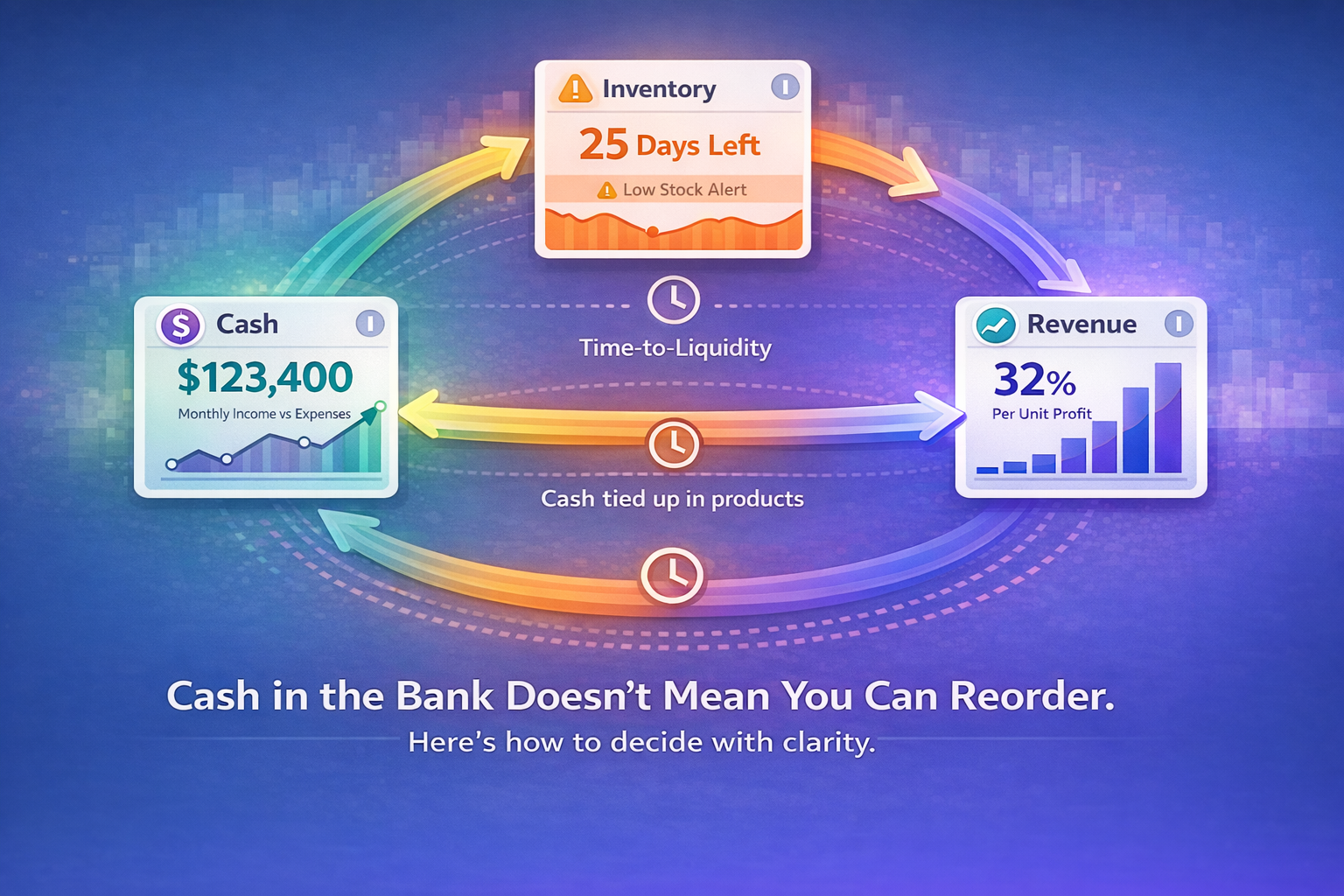
For most e-commerce founders, reordering inventory feels less like a science and more like an art - and by “art,” I mean gamble.
You look at your stock levels, your sales velocity, and your cash balance, and you make what feels like an educated guess. Order now and protect momentum, or wait and protect liquidity.
The problem is that guessing wrong can be expensive in both directions. Reorder too early and you tie up capital that could have gone toward growth. Reorder too late and you risk stockouts that damage revenue, ranking, and customer trust.
Knowing when you can truly afford to reorder inventory is one of the most important financial decisions in running a scaling e-commerce brand. And most brands get it wrong.
The mistake usually starts with looking at the wrong number. Many founders check their bank balance and assume that if cash is available, inventory is affordable. But cash in the bank does not mean capital is available for inventory. That cash may already be needed for ad spend, payroll, fulfillment, or upcoming payables.
The better question is not “Do I have the money?” but “Can my business absorb this inventory purchase without hurting growth or liquidity?” To answer that, you need to understand how inventory affects your cash flow cycle.
When you reorder inventory, you are converting cash into products that may not turn back into cash for months. Between manufacturing time, shipping delays, customs, warehousing, and sell-through, that capital is locked. During that time, your business still needs to fund marketing, operations, and fulfillment.
This is where many growing brands get into trouble. They place a large reorder based on strong sales trends, but forget that inventory does not generate value until it sells. The result is a temporary liquidity crunch that slows growth, limits ad spend, or forces emergency financing.
To know when you can afford to reorder, you need clarity in four key areas.
First is contribution margin. Not just gross margin, but profit after fulfillment, shipping, discounts, and advertising. A product with a healthy contribution margin generates cash as it sells. A low-margin product consumes capital longer.
Second is inventory velocity. Faster-moving products convert inventory back into cash quickly. Slow-moving products extend your cash cycle and increase risk.
Third is your current cash obligations. Upcoming ad spend, supplier payments, storage fees, and operating expenses all compete for the same pool of capital.
Fourth is the time to liquidity. How long will it take from the moment you place the order to the moment you recover your cash through sales?
If your reorder extends your cash cycle beyond what your business can comfortably sustain, you may technically be able to place the order but not truly afford it.
Another common oversight is ignoring landed cost variability. Changes in freight pricing, duties, and supplier adjustments can quietly increase the real cost of inventory. If your reorder decision is based on outdated cost assumptions, you may be committing more capital than expected.
Stockouts are often framed as the biggest risk in inventory management, but over-ordering can be just as damaging. Excess inventory increases storage costs, slows cash flow, and reduces flexibility. It can also force future discounting that erodes margins.
The healthiest scaling brands treat inventory as a capital allocation decision, not just an operational one.
They ask:
- Will this reorder support growth, or restrict it?
- Will this inventory generate cash quickly, or tie it up?
- Does this purchase strengthen our position, or increase financial strain?
In practice, the best time to reorder is when your business can fund the purchase while maintaining enough liquidity to continue investing in growth. That usually means your strongest reorder candidates are products with consistent sales velocity, durable margins, and predictable demand.
Products that sell quickly and generate reliable contribution margin shorten your cash cycle and make reorders safer. Products with uncertain demand, thin margins, or long sell-through timelines should be approached more cautiously, even if sales look promising.
Modern e-commerce moves quickly, and the cost of misjudging inventory timing can compound fast. Reordering too aggressively can slow your ability to scale. Waiting too long can stall momentum. The brands that navigate this well are not relying on instinct alone. They are operating with real-time visibility into margins, inventory movement, and capital exposure.
When you understand how each reorder impacts your cash flow, growth capacity, and profitability, inventory decisions become less about fear and more about strategy. Reordering inventory is not just about keeping products in stock. It is about preserving the financial flexibility that allows your business to keep growing.
Table of contents
Latest News & Insights
Discover our latest insights on smart inventory management, sales forecasting, and business financing.
Inventory Replenishment Software: Forecast Demand and Automate Purchase Orders
Indexos forecasts demand, calculates reorder points and drafts purchase orders across Amazon, Shopify, Walmart and TikTok Shop. See how it works.
Claude Connector for Ecommerce Inventory Management
The Indexos connector gives Claude your inventory, purchase orders and cashacross Amazon, Shopify, TikTok Shop and Walmart. Ask what to reorder andafford.

Meet Dex: The Active AI Copilot That Works While You Run Your Business
Discover Dex, the active AI copilot that monitors your eCommerce business 24/7 and helps you optimize inventory, purchasing, forecasting, and cash flow.


Amazon DD+7 Explained: How Sellers Stay Cash Flow Positive
Learn how Amazon DD+7 payouts impact cash flow, inventory planning, and growth. Discover strategies and tools to stay cash flow positive.

Amazon's DD+7 solved with the zero-interest Indexos Card
Beat Amazon DD+7 payout delays with the zero-interest Indexos Card. Access your earned funds early, improve cash flow, and scale your Amazon business faster.

Indexos: The Ultimate Growth Platform for New Amazon, TikTok Shop, Shopify, and Walmart Sellers
All-in-one platform for Amazon, TikTok Shop, Shopify, and Walmart sellers. Indexos automates COGS, forecasting, and purchase orders to boost growth.


Are You Ready to Talk to Your Business?
Indexos helps business owners talk to their business using AI. Turn data into clear answers, identify problems early, and make smarter decisions with confidence.

The Secret Life of Multi-Platform Sellers
Selling on multiple marketplaces? Stop juggling dashboards and spreadsheets. See how Indexos unifies inventory, forecasting, POs, and profits.
.jpeg)
The Future of eCommerce Operations: Smarter, Simpler, Indexos
Indexos simplifies eCommerce growth with unified analytics, inventory management, and predictive forecasting - giving sellers clarity, control, and scalability.
.jpg)
Why Data Driven Sellers Sleep Better at Night
Indexos helps eCommerce sellers make smarter, data-driven decisions with real-time analytics, sales forecasting, and inventory insights in one platform.
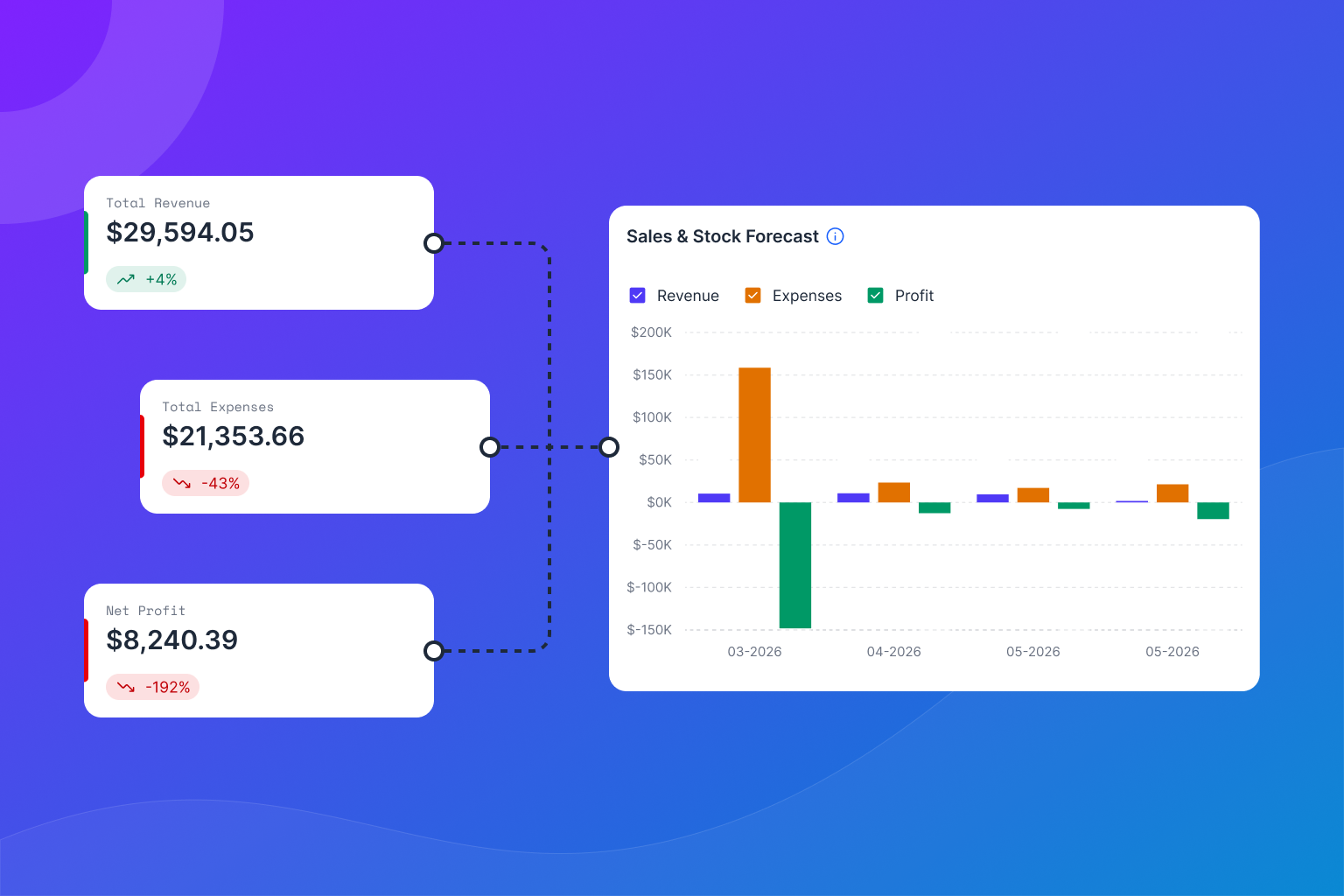
Your SKUs Are Talking Behind Your Back: Are You Listening?
Unlock your SKU data’s hidden insights. Discover how Indexos helps sellers turn inventory chaos into profit-driven clarity